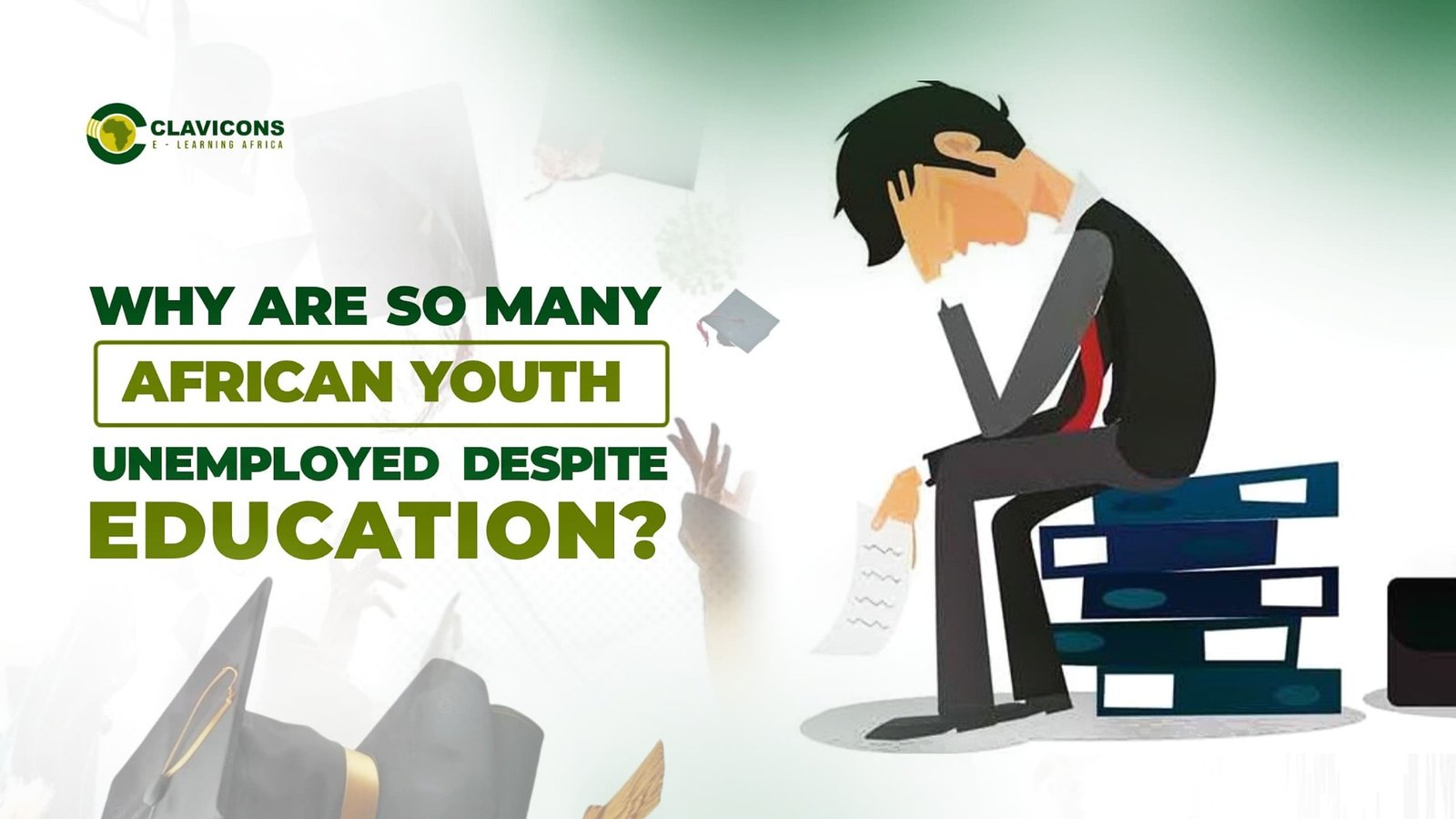
When I graduated from university, I was filled with hope and excitement. I had spent years buried in lectures, textbooks, and assignments, convinced that my degree would unlock a world of opportunities. But reality hit hard. Despite my qualifications, job after job slipped through my fingers. The companies I interviewed with needed skills that my education hadn't prepared me for practical knowledge and expertise that the outdated curriculum I had relied on simply didn’t offer.For a while, it felt like I had hit a dead end. But then, I discovered the importance of professional development courses. These weren’t typical classroom sessions, they were targeted, relevant, and packed with real-world applications. I started learning in-demand skills that were shaping industries, from digital tools to practical problem-solving strategies. Slowly but surely, doors began to open. With every course I completed, I became more confident and capable. Today, I look back and realize that adopting lifelong learning transformed my career and set me on a path to success I had never imagined.You’ve spent years in school, aced your exams, and proudly walked across the graduation stage with your degree or diploma in hand. But months, even years later, you’re still searching for a job. Sound familiar? This is not only you, it’s the story of many. Across Africa, millions of young people face the frustrating reality of unemployment despite their education. But why is this happening, and more importantly, what can we do about it?Let's get straight to it: having a degree doesn't automatically secure you a job. Education is vital, but there's often a significant gap between what's taught in schools and the skills employers actually need. It's like the vast distance between Earth and Jupiter—pretty far, right?In many African countries, education systems still focus heavily on theoretical knowledge. You probably remember memorizing pages of textbooks or cramming for exams—but how often were you taught practical skills like problem-solving, teamwork, critical thinking, or using industry-specific tools? Employers, on the other hand, are looking for candidates with hands-on experience and job-ready skills.For instance, an engineering graduate may know all the formulas but might struggle with operating modern software used in the industry. The result? A certificate in hand, but no job to show for it.According to the African Development Bank (AfDB), nearly 60% of Africa’s unemployed are under the age of 25. It’s a sobering statistic, especially considering that Africa is the world’s youngest continent, with over 60% of the population under 25.Yet, employers across the continent frequently report difficulties finding qualified candidates. It’s not a lack of jobs but a mismatch between the skills young people have and the skills the market demands.This birth the question;Are We Learning the Right Skills?Think about it. Are the skills you learned in school the ones employers are seeking today? In many cases, the answer is no. The fast advancements in technology and evolving industries mean the demand for skills like coding, data analysis, and digital marketing has skyrocketed, while traditional roles are declining.Take Nigeria’s tech boom, for example. Startups in Lagos are crying out for software developers, UI/UX designers, digital product managers and data scientists. Yet, thousands of graduates with degrees in unrelated fields struggle to find jobs.Why “Soft Skills” Matter More Than You ThinkIt’s not just about technical know-how, though. Employers also value “soft skills” like communication, adaptability, and emotional intelligence. A hiring manager might prefer someone who can confidently present ideas and work well with others over someone who’s brilliant but awkward in a team setting.If you’ve ever heard someone say, “It’s not just what you know, it’s who you are,” they’re onto something. Employers want well-rounded individuals, not walking encyclopedias.What Can You Do About It?The exciting news is that the power to bridge this gap is in your hands. While systemic changes in education take time, you can take steps today to boost your employability. Consider the following:Learn In-Demand SkillsStart by identifying skills that are in high demand in your country or globally. At Clavicons, we offer affordable courses in areas like programming, digital marketing, and graphic design.For example, if you’re passionate about business, why not learn data analytics? Companies are increasingly using data to drive decisions, and skilled analysts are in high demand. Gain Practical ExperienceVolunteering, internships, and freelancing are great ways to build real-world experience. Even if it’s unpaid at first, the experience can give you an edge. A friend of mine started designing posters for free for local events. Today, she’s a freelance graphic designer with a growing client base. Work on Your Soft Skills Practice public speaking, improve your writing, and learn to collaborate with others. These skills can set you apart, even in competitive industries. Network, Network, NetworkSometimes, opportunities come from the people you know. Attend events, join online communities, and connect with industry professionals on platforms like LinkedIn. A simple conversation could lead to your next big opportunity.What Needs to Change?While individual effort is essential, systemic change is just as critical. Governments, educators, and employers need to work together to ensure that education aligns with market needs.At Clavicons, we’re addressing this challenge by offering courses tailored to in-demand skills and providing learners with practical, industry-relevant experiences. By bridging the gap between education and employability, we’re helping Africa’s youth build brighter futures.If you’re feeling stuck, remember that it’s never too late to learn, adapt, and grow. The job market may be tough, but with the right skills and mindset, you can stand out.So, what’s your next move? Will you take the first step to upskill and seize the opportunities waiting for you?